
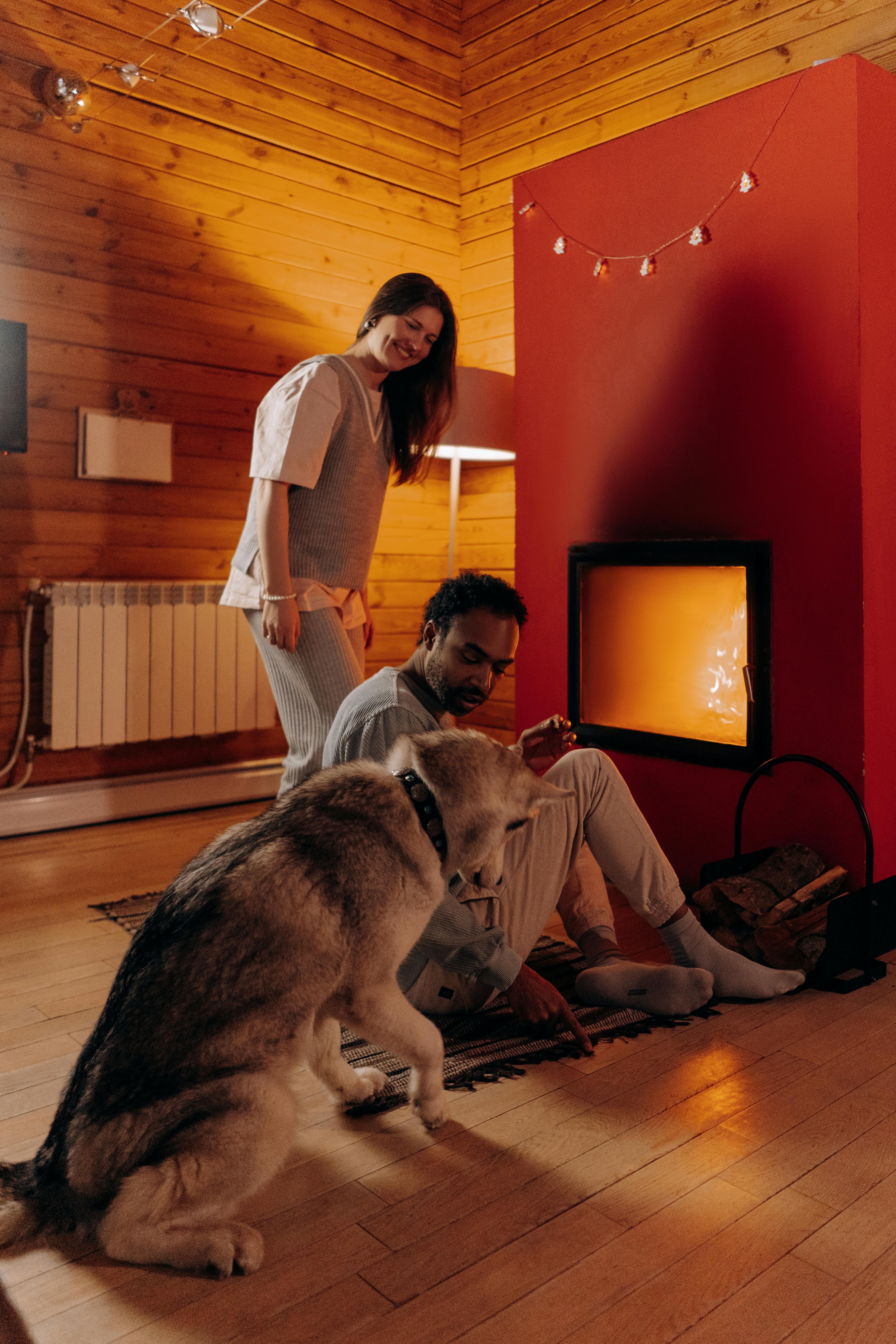
WHAT IS “HOME” FOR A MIGRANT?
For migrants, the concept of “home” takes on complex nuances. It is no longer just a physical place, but an emotional state, a sense of belonging that is gradually built in the new environment. This article explores how to rebuild a sense of home after migrating.
PHYSICAL SPACE: MORE THAN FOUR WALLS
Creating a personal space that reflects hybrid cultural identity is important. This can include objects brought from the country of origin along with items acquired in the new country, creating an environment that represents the migratory journey.
COMFORTING ROUTINES AND RITUALS
Establishing new routines that incorporate both traditions from the country of origin and local customs helps create a sense of normalcy and control. Small daily or weekly rituals can provide emotional anchors in the new environment.
CONNECTIONS THAT TRANSFORM SPACES INTO PLACES
It is human relationships that turn a physical space into a home. Building a support network, establishing ties with neighbors, participating in the local community, and maintaining meaningful connections are essential to feeling a sense of belonging.
REINVENTING TRADITIONS
Cultural traditions can be adapted to the new context, creating hybrid versions that honor one’s origins while integrating into the current reality. Celebrating holidays with friends from different cultures can significantly enrich these experiences.
HOME AS A PROCESS, NOT A DESTINATION
Finally, it is important to understand that rebuilding a home is an ongoing process, not a final state that is achieved. Accepting that the sense of home can be fluid, changing, and multifaceted allows us to navigate the migration experience with greater flexibility and less pressure.